
Waste can quickly accumulate in a busy office environment: excess paper, plastic and cardboard often piles up, leading to overflowing bins and frequent collections, more CO2 emissions and unnecessary harm to the environment. Time is often wasted in these processes, and profit-making activities can fall to the wayside.
A waste compactor can streamline this process and then some, reducing the need for frequent collections, emissions from waste transport, and freeing up staff to concentrate on more important tasks. There is a wide variety of compactors that can suit offices, but which one is best for your workspace?
Choosing the Right Compactor
The best compactor for your particular office will depend on a few factors, such as the volume and type of waste being produced.
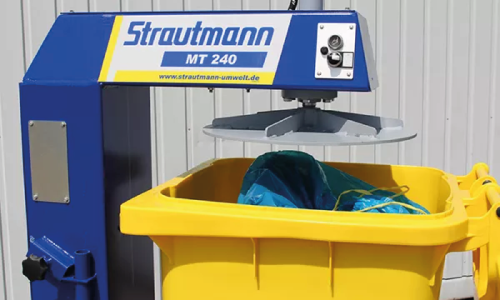
A wheelie bin rubbish compactor is ideal for offices that produce a moderate amount of waste and want to maximise the space in their existing bins. By compressing general waste, paper, and packaging materials into standard wheelie bins, these compactors significantly reduce the number of collections required, freeing up space.
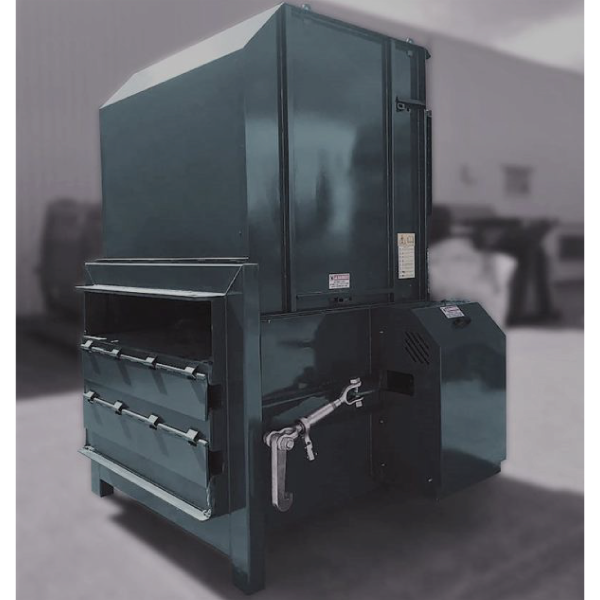
However, your office could be generating a particularly high volume of waste that accumulates quickly and leaves your site a mess. In a case like this, static waste compactors may be a more effective solution. These are fixed in place and work by compressing waste into a large container, making them a great choice got businesses that require a long-term, high capacity solution. It should be noted, however, that external space is needed to house these compactors.
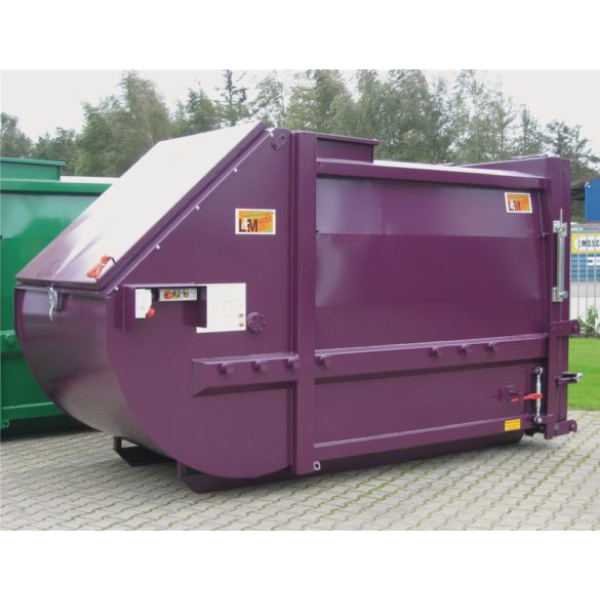
For offices where hygiene is a priority, such as those handling food waste from kitchen areas, a food waste skip compactor can provide a sealed, odour-controlled solution.
Compactor or Baler?
When choosing a waste management solution, it’s important to understand the difference between a compactor and a baler.
Compactors are designed for handling mixed waste, including paper, cardboard, food waste, and general office refuse. They compress waste into a smaller volume, reducing collection costs and improving cleanliness.
Balers are best suited for offices that generate large amounts of a single type of recyclable material. Balers compact materials like paper, cardboard, or plastic into bales that can be efficiently stored and collected for recycling.
Some businesses separate recyclables to increase efficiency and lower disposal costs. A twin-chamber baler like the Strautmann MK700, for example, allows for sorting materials like paper and plastic into different sections, making recycling more organised and cost-effective.
If your office produces a lot of mixed waste that builds up quickly, a compactor is likely the better option. However, if most of your waste consists of specific recyclable materials, a baler may offer greater long-term benefits.
Managing office waste doesn’t have to be a challenge. Selecting the right compactor means you can cultivate a cleaner, more efficient, and cost-effective workplace and, as seasoned waste compactor suppliers, Compact & Bale can help you make the most informed decision. Whatever your office needs with regards to its waste management, investing in the right equipment will help to improve efficiency, reduce costs, and support a more sustainable workplace.