
After the decision has been made for a company to invest in baling technology, the immediate question afterwards is often regarding what baler they should be investing in. There is a lot of variation in baler types, and sometimes there can be confusion as to who needs what.
A mini baler machine is designed for businesses with smaller volumes of recyclable waste. These machines are perfect for companies with limited space or those just beginning their recycling journey. Their compact size means they can fit in tight spaces, making them ideal for retail shops, small warehouses, and businesses with lower output needs.
With the ability to process materials like cardboard and lightweight plastics, mini balers are a great entry-level option. They produce smaller bales, which can be easier to handle and transport, making them suitable for operations that don’t need heavy-duty output.
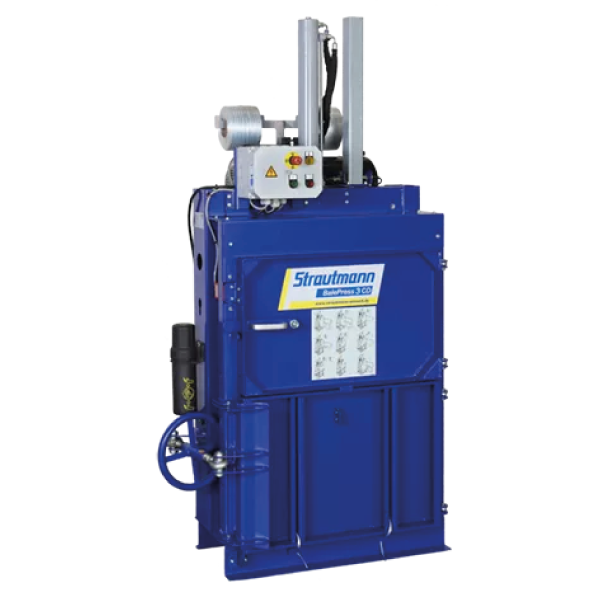
In contrast, a mid-range waste baler like the BP18 is designed for businesses with larger recycling requirements. With a robust 18-tonne pressing force and a cycle time of just 34 seconds, the BP18 can produce denser and heavier bales—up to 280 kg per bale. This makes it a strong choice for companies that generate between 25 and 100 tonnes of waste annually, ensuring efficient handling of high volumes at a more sustainable rate.
The BP18 also includes advanced features like a large infeed aperture for easy loading, a low-energy 4 kW motor for energy efficiency, and automated systems like EasyTie® for quick bale tying. These features make it suitable for businesses that prioritise efficiency, reducing labour costs and increasing throughput.
When deciding between a mini baler and a model like the BP18, it’s crucial to consider your business’s waste volume and available space. If your business is small to medium-sized with limited recyclable material, a mini baler can handle the task efficiently without taking up too much room. Its lower upfront cost also makes it an attractive option for those looking to make an initial investment.
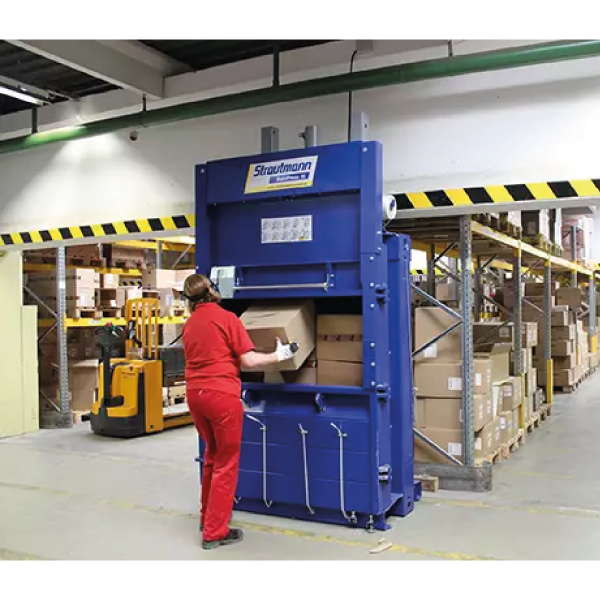
That said, if you’re dealing with a high volume of waste and need to produce heavier bales for easier transport and storage, the BP18 offers the power and speed to keep up with demand. Its substantial capacity and advanced features come with a higher initial investment, but the long-term savings in labour and time can make it a cost-effective solution for larger businesses.
The choice between small balers and mid-range balers like the BP18 depends on the scale of your recycling needs and the space you have available. For smaller businesses with low waste output, mini balers like the BP3CD-BP4CD could prove more flexible and provide the ideal start, whereas for larger enterprises, it could follow that a larger baler would help with efficiency and help keep waste management under control.
In understanding the strengths of each type of baler, businesses can make a more informed decision and select the equipment that will best support their sustainability and operational goals.