
Waste compactors are essential tools for businesses aiming to manage their waste efficiently, reduce disposal costs, maintain a cleaner environment, and contribute towards sustainability. By significantly reducing the volume of waste, compactors help businesses save on waste collection and disposal fees, which cuts down on operational costs and lessens the environmental impact by reducing the number of collections needed, which lowers carbon emissions. Moreover, a compactor machine will promote a more sanitary and organised workplace by minimising the space occupied by waste and reducing the risk of pests and odours.
Investing in waste compactors demonstrates a business’ commitment to sustainable practices, which can enhance its reputation and appeal to environmentally conscious customers and stakeholders. With various types of compactors available, such as wheelie bin compactors, portable compactors, static compactors, and screw compactors, businesses can choose the most suitable option based on their specific waste management needs. This tailored approach ensures maximum efficiency and effectiveness in handling different types of waste, contributing to a more sustainable and responsible business operation.

Purpose of Waste Compactors
Waste compactors are designed to compress waste materials to reduce their volume. They handle various waste types, including general waste, recyclables, and wet / food waste, offering versatility for different business needs. By compressing waste, compactors help in saving space, which is crucial for businesses with limited storage areas.
Types of Waste Compactors
Wheelie Bin Rubbish Compactor: These are ideal for small to medium-sized businesses that generate moderate amounts of waste. They compact waste directly into wheelie bins, making them convenient and easy to use.
Portable Compactor: Suitable for businesses that need flexibility, these compactors can be moved to different locations within a given site. They are great for premises with multiple waste generation points and offer a good deal of flexibility with larger sites.
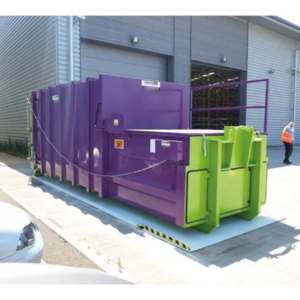
Static Compactor: These compactors are fixed in one location and are designed for businesses that produce large volumes of waste. They are highly efficient and can significantly reduce waste collection frequency and the associated costs.
Screw Compactor: These compactors use a screw mechanism to compress waste, making them ideal for handling bulky and wet waste. They are often used in food processing industries and large retail operations.
Benefits for Businesses
Businesses can reap many rewards from investing in compaction technology. By reducing the volume of waste, businesses can lower their waste collection and disposal costs – compacted waste takes up less space, reducing the number of collections required. They can also help maintain cleaner and more sanitary sites by minimising the volume of waste left in open bins. This reduces the risk of pest infestations and unpleasant odours, improving hygiene.
To talk of the environmental benefits, compactors contribute to environmental sustainability by reducing the carbon footprint associated with waste transport. Fewer collections mean less fuel consumption and lower emissions.
For businesses with limited space, compactors are invaluable. They allow for more efficient use of space, as compacted waste occupies significantly less room than loose waste. This also contributes to a well-maintained site, which is crucial for business reputation. Compactors help keep waste under control, contributing to a cleaner and more professional appearance.
Investing in waste compactors offers numerous benefits for businesses, and by choosing the right type of compactor, businesses can efficiently manage their waste, maintain cleaner sites, and contribute to a greener planet.
Don’t know what compactor you need? Contact us!