
Compactors utilise a hydraulic ram to squash waste and minimise its surface area. When a compactor is loaded with waste and secured, the ram is begins to compact a variety of waste. Choosing the right model of waste compactor for your business is more than just a practical decision. In fact, it’s one that can improve operational efficiency, cut costs, and contribute meaningfully to your corporate sustainability goals. With various models available and multiple use cases to consider, an important point to touch upon is your understanding of your waste streams, available space, operational needs, and long-term objectives before investing in a compactor, or entering a hire agreement.
Understand Your Waste Stream and Volume
The first and most important step in choosing the right compactor for your business is understanding the type and volume of waste you generate. Different materials require different methods of compacting, and not all machines are built to handle every type.
Large compactors can act as portable skips and can be kept on-site at ideal locations to minimise downtime; just throw waste into the large in-feeds and you’re good to go! If your waste is largely lightweight recyclables like cardboard and paper, however, a baler may be the more suitable solution. Balers compress this kind of waste into dense, stackable bales in order to streamline storage and reduce collection costs. Conversely, if your business produces mixed general waste, plastic, food, or dry mixed recyclables, a robust waste compactor is typically the better choice.
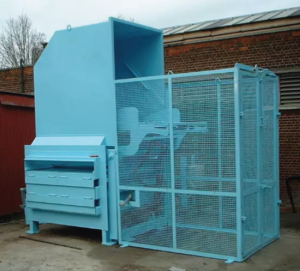
The Durapac Model AS, for example, is a portable skip compactor designed to handle a wide array of materials from recyclables to general waste, compressing them into dense, high-payload containers in under a minute. With this kind of output, transport trips can be reduced by up to 80%, slashing costs and significantly lowering your carbon footprint.
Large compactors can act as portable skips and can be kept on-site at ideal locations to minimise downtime; just throw waste into the large in-feeds and you’re good to go! It’s also worth noting that some materials should not be compacted. Items such as flammable or explosive substances, batteries, and liquids can be hazardous when compacted and should be disposed of separately according to safety guidelines. If this is the type of waste you deal with primarily, considerations should be made as to whether a compactor is right for you.
Consider Your Available Space
Commercial waste compactors are available in a variety of sizes, and your available space will directly influence the model that’s right for your site. For businesses with limited room, units such as vertical compactors or short static models are ideal; these machines offer effective compaction with a small footprint and minimal disruption.
A good example is the Durapac short CB1250SS static compactor, which is just over 2 metres in length. Despite its compact size, it efficiently processes cardboard, paper, and general recyclables, making it ideal for sites with access or layout restrictions.
For businesses with more space and higher waste volumes, larger static or horizontal compactors can be more appropriate. The Durapac CB2100 Static Compactor offers significant power, with options of 38 or 50 tonnes of pressure, and a wide choice of safe and fast loading options. This kind of unit is a smart investment for facilities that need to take back control of mounting waste volumes.
Whatever your site layout, you should measure carefully and account for access routes, loading processes, and collection vehicle access.

Ease of Use and Ongoing Maintenance
Operational simplicity is another critical factor. A compactor that’s easy to use, safe, and simple to maintain will reduce the risk of operational downtime. You should look for features such as intuitive controls, safety interlocks, and clear visual instructions.
Maintenance requirements should also be evaluated early. Reliable models will have straightforward maintenance schedules, easily accessible components, and the option for ongoing service contracts. Many suppliers, including those offering waste compactor hire, also provide planned preventative maintenance and emergency call-out support as part of their service (with Compact & Bale being one of these).
If you’re looking for waste compactors for hire, this could offer benefits particularly for businesses looking to stay flexible. Hire agreements typically include servicing, repairs, and support within the cost, reducing unexpected expenses and making budgeting more predictable. Hiring will allow businesses to upgrade or swap equipment more easily as needs change, without the long-term commitment or depreciation that can come with ownership. Investing in user-friendly, service-supported equipment through a hire model will lower upfront costs and maintenance burdens.
Environmental and Financial Benefits
Choosing the right waste compactor isn’t just a matter of convenience; it’s a strategic decision that impacts your bottom line and your environmental responsibilities.
By reducing the volume of waste, a compactor will mitigate collection frequency, lowering transport emissions and disposal costs. This helps businesses reach their carbon reduction targets and strengthen their sustainability credentials.
Moreover, hiring a waste compactor can offer a cost-effective route to improved waste management without the capital outlay. Compact & Bale’s hire options include installation, training, servicing, and maintenance, making it easier for your business to scale their waste handling capabilities without long-term commitment or risk.
Whether you need a compact solution for tight spaces, a heavy-duty unit for high-volume waste, or are exploring hiring options for short-term needs, selecting the right equipment can drive long-term efficiency across your operations.